
Top 10 Majestic Forts of the Konkan Region
The Konkan coastline, stretching along the western coast of India, is dotted with historical forts that stand as enduring symbols of India’s rich maritime heritage. These forts, once powerful maritime defense structures, played key roles in protecting the region from invaders and overseeing trade routes. Many of these fortifications were either built or enhanced by Chhatrapati Shivaji Maharaj during the Maratha Empire, and they are now popular tourist destinations for history buffs, trekkers, and nature lovers.
In this guide, we explore the top 10 forts of the Konkan region, highlighting their historical significance, key attractions, how to reach them, and frequently asked questions to help you plan your visit.
Sindhudurg Fort
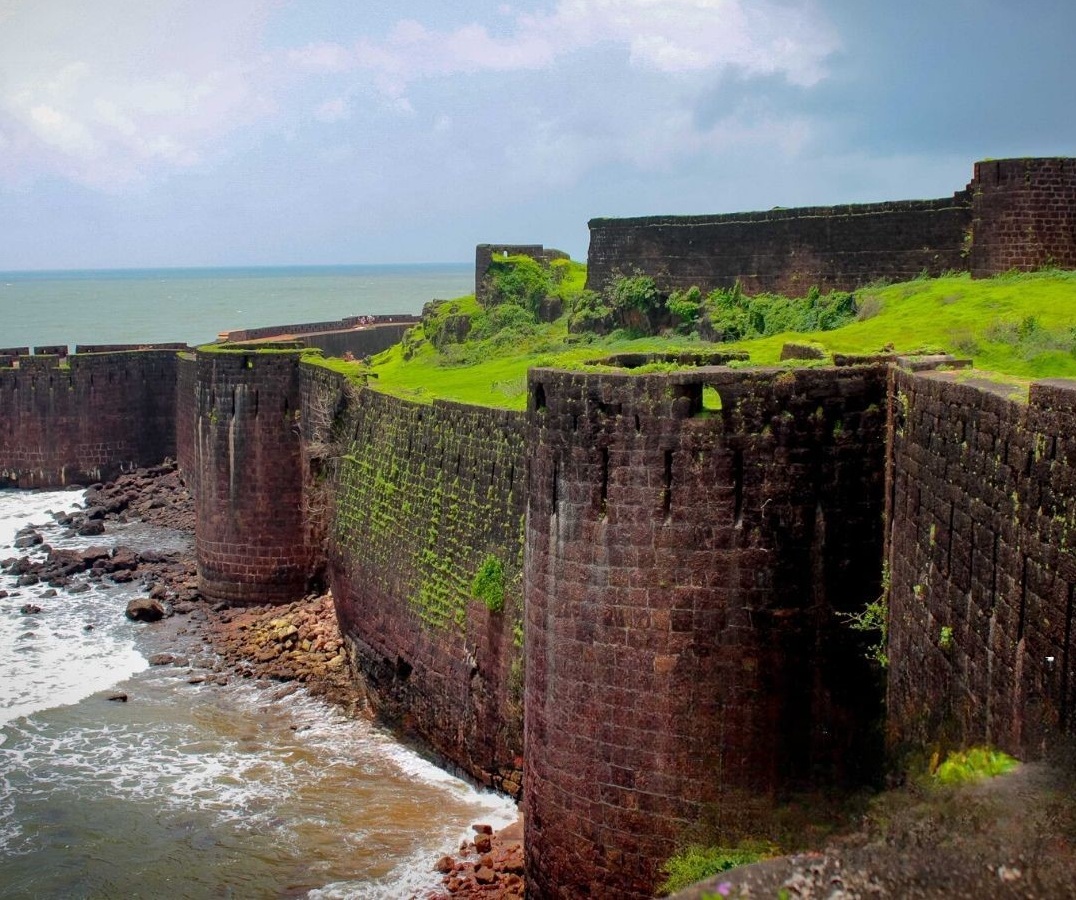
Located on a rocky island just off the Malvan coast, Sindhudurg Fort was built by Chhatrapati Shivaji Maharaj in 1664. The fort was strategically constructed to defend the coast from foreign powers like the Portuguese and the British. Spread over 48 acres, it boasts towering walls and secret escape routes. The fort’s entrance is well-hidden, blending into the walls to keep invaders out. It also contains rare hand and footprints of Shivaji Maharaj, making it a unique relic of Maratha history.
Historical Significance:
Sindhudurg Fort served as a naval defense station, built to counter threats from the Portuguese and the British, who were attempting to dominate the Arabian Sea.
Key Attractions:
- Impressions of Shivaji Maharaj’s hand and foot inside the fort.
- Hidden passages and escape routes.
- Panoramic views of the Arabian Sea.
How to Reach Sindhudurg Fort:
- By Air: The nearest airport is Dabolim Airport (Goa), around 130 km from Malvan.
- By Train: Kudal railway station is the closest, 32 km away.
- By Road: Malvan is well connected by road from Mumbai and Ratnagiri. From Malvan, ferries regularly take visitors to the fort.
Best Time to Visit:
October to February is the best time, as the weather is pleasant and ferry services operate smoothly.
Where to Stay:
Malvan town has numerous accommodation options, including budget hotels, homestays, and beach resorts. MTDC (Maharashtra Tourism Development Corporation) also offers comfortable options near the fort.
Vijaydurg Fort
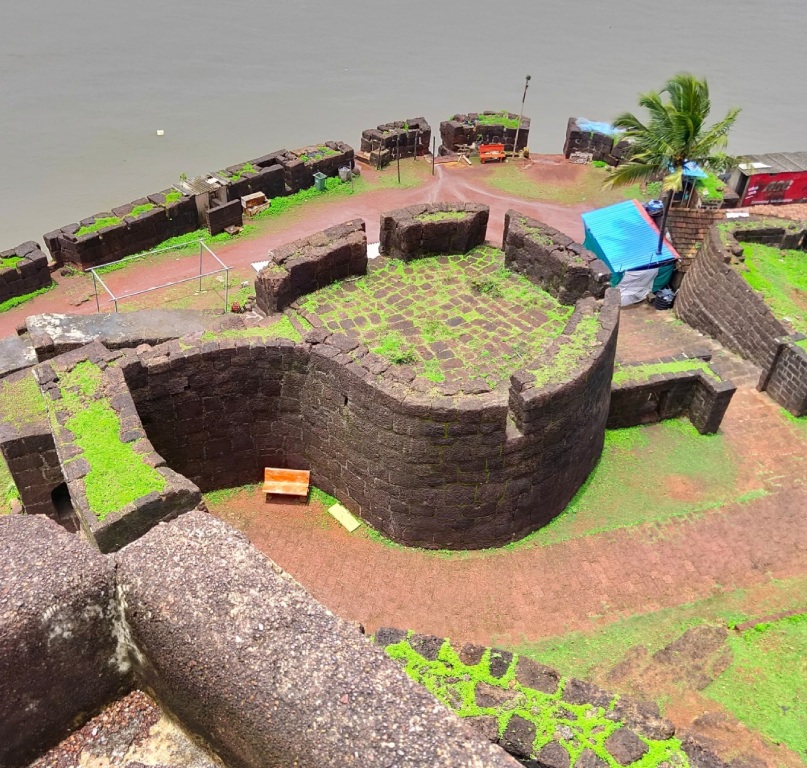
Built in the 17th century by Shivaji Maharaj, Vijaydurg Fort sits on the southern coast of Maharashtra. The fort is renowned for its robust construction and its location on a rocky promontory jutting into the Arabian Sea. Known as the “Victory Fort,” it became one of the strongest naval bases for the Marathas, and its triple-layered defense system made it virtually impenetrable. Vijaydurg is also famous for Helium Day, commemorating the use of helium-filled balloons in naval operations.
Historical Significance:
This fort played a crucial role in Maratha naval defense, especially during the rule of Kanhoji Angre, a Maratha admiral who dominated the western sea.
Key Attractions:
- Triple-layered defense walls.
- Coastal views of the Arabian Sea.
- Historical significance related to Maratha naval battles.
- Helium Day celebrations, marking an important event in naval history.
How to Reach Vijaydurg Fort:
- By Air: The nearest airport is Ratnagiri, about 110 km away.
- By Train: Rajapur Road station is the nearest, around 56 km away.
- By Road: Vijaydurg is accessible via NH-66, connecting Mumbai, Goa, and Ratnagiri. Regular buses and taxis are available to the fort.
Best Time to Visit:
The ideal time to visit is between November and February, when the weather is cool, making it ideal for sightseeing.
Where to Stay:
You can stay at resorts and hotels in the nearby towns of Devgad and Ratnagiri. Vijaydurg also offers a few guesthouses and homestays close to the fort.
Murud-Janjira Fort
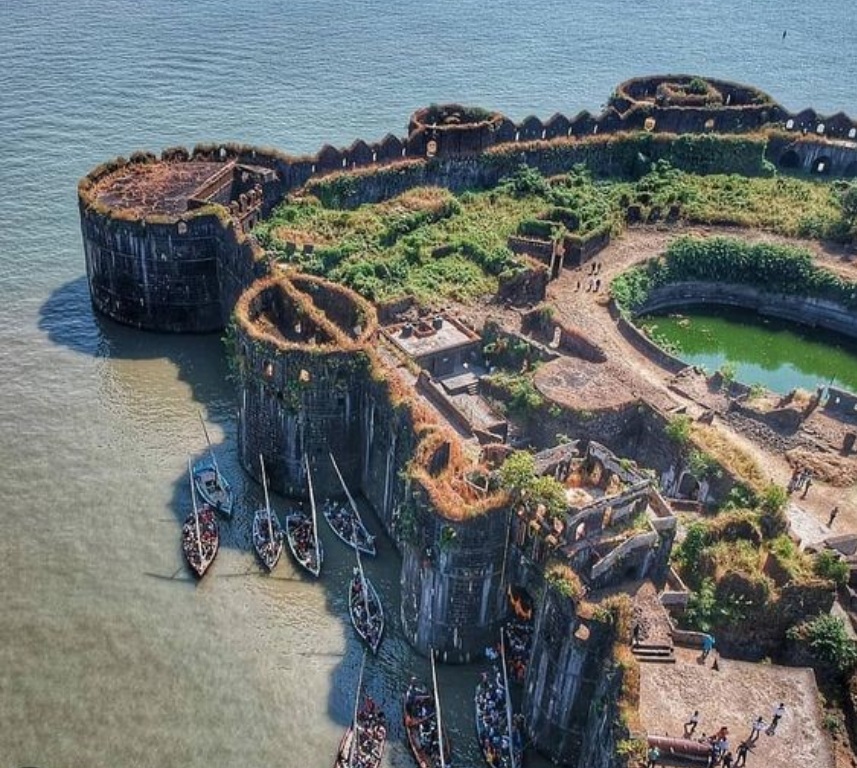
One of the most formidable forts in India, Murud-Janjira Fort is located on an island off the coast of Murud. Built by the Siddis in the 15th century, the fort remained unconquered throughout its history, withstanding numerous sieges by the Marathas, the British, and the Portuguese. The only way to access this fort is by boat, and the walls rise dramatically from the sea, making it a breathtaking sight.
Historical Significance:
Murud-Janjira’s invincibility is legendary, as it successfully resisted all attempts to capture it, making it a symbol of maritime defense and resilience.
Key Attractions:
- Massive cannons mounted on the walls.
- Freshwater ponds within the fort.
- Secret gateways and strong defensive structures.
How to Reach Murud-Janjira Fort:
- By Air: The nearest airport is Mumbai, 165 km away.
- By Train: Roha railway station is 50 km from Murud.
- By Road: Murud is well connected by road from Alibaug and Mumbai. Boats from Rajapuri jetty take you to the fort.
Best Time to Visit:
The best time is from October to March when ferry services are operational and the weather is conducive for travel.
Where to Stay:
Murud town offers a range of options, from budget hotels to beach resorts. Many tourists also choose to stay in Alibaug, which is a short drive away.
Raigad Fort
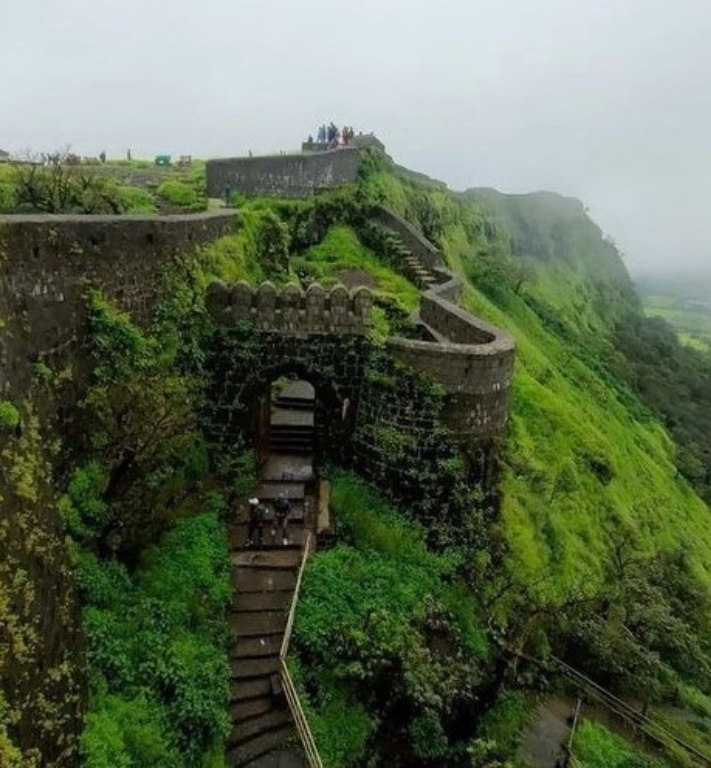
Perched on a hill in the Sahyadri range, Raigad Fort served as the capital of the Maratha Empire under Shivaji Maharaj. It was here that Shivaji was crowned as the Chhatrapati, and the fort played a central role in the empire’s administration. The fort has a steep climb of about 1,500 steps, though there is now a ropeway for easier access.
Historical Significance:
Raigad Fort was not just a military fortification but the center of political and military strategy for the Maratha Empire. It was the coronation site of Shivaji Maharaj.
Key Attractions:
- Shivaji Maharaj’s Samadhi (memorial).
- The ruins of the royal palace and the Darbar (royal court).
- The breathtaking view from Takmak Tok, a cliff used to punish traitors.
How to Reach Raigad Fort:
- By Air: Pune Airport is about 140 km away.
- By Train: Mangaon is the nearest railway station, 40 km from Raigad.
- By Road: Raigad is accessible by road from Pune and Mumbai. A ropeway from the base village helps reach the fort.
Best Time to Visit:
November to February is ideal for visiting Raigad Fort. The weather is pleasant, and the climb is easier to manage during this time.
Where to Stay:
There are limited accommodations near the fort itself, but you can find hotels and guesthouses in Mahad, which is about 30 km away.
Ratnadurg Fort
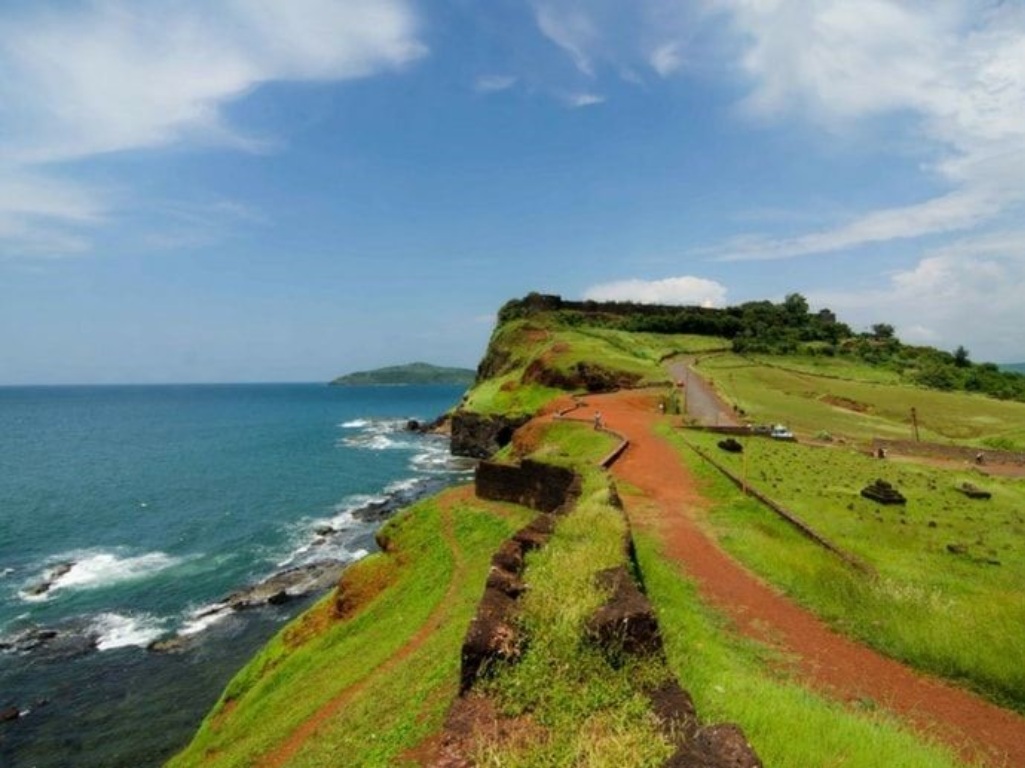
Overlooking the town of Ratnagiri, Ratnadurg Fort is situated on a promontory jutting into the Arabian Sea. Built in the 16th century by the Bahamani Sultanate, the fort later came under the control of the Marathas. Its horseshoe-shaped structure offers spectacular views of the sea and surrounding coastline. The fort is also home to the Bhagwati Temple, which attracts many devotees.
Historical Significance:
Ratnadurg Fort was strategically important in monitoring maritime activity and securing the port town of Ratnagiri from seaborne invaders.
Key Attractions:
- The Bhagwati Temple located within the fort.
- Sunset views from the lighthouse.
- Scenic walks along the ramparts offering panoramic ocean views.
How to Reach Ratnadurg Fort:
- By Air: Ratnagiri Airport is 6 km away.
- By Train: The nearest railway station is Ratnagiri, around 7 km away.
- By Road: The fort is accessible by road from Ratnagiri town via taxis or local transport.
Best Time to Visit:
November to March is the best time to visit for comfortable weather and beautiful sunsets.
Where to Stay:
Ratnagiri has a range of hotels, guesthouses, and resorts, from budget-friendly accommodations to mid-range hotels. Several beachfront resorts are available near the town.
Suvarnadurg Fort
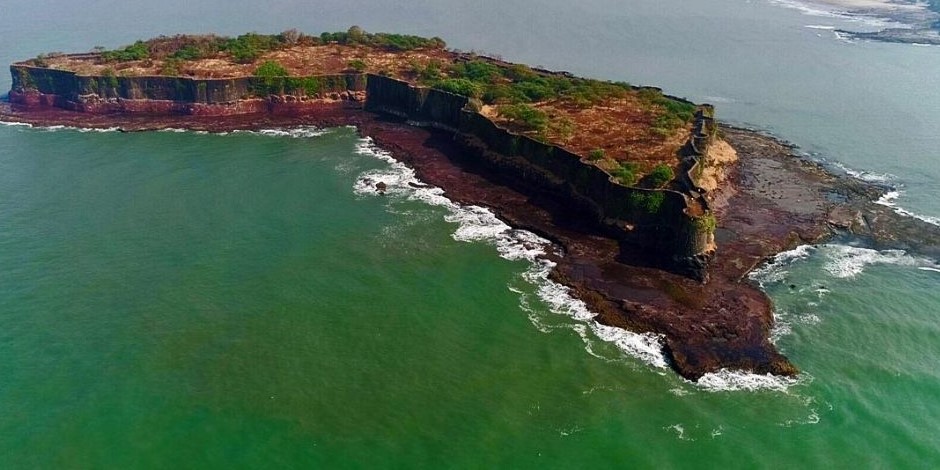
Suvarnadurg Fort, meaning “Golden Fort,” is an island fort off the coast of Harnai in Dapoli. It was originally built by the Bijapur Sultanate and later taken over by Shivaji Maharaj. The fort was a vital naval base for the Marathas, protecting the coast and enabling control of the Arabian Sea.
Historical Significance:
Suvarnadurg was a central part of Shivaji’s naval defense strategy, helping to safeguard Maratha maritime trade routes.
Key Attractions:
- Remnants of Maratha architecture.
- The imposing sea-facing walls.
- Secluded location offering peace and quiet.
How to Reach Suvarnadurg Fort:
- By Air: Ratnagiri Airport is 150 km away.
- By Train: Khed railway station is 50 km away.
- By Road: Suvarnadurg is accessible from Harnai, which is well connected by road. Ferries from Harnai port take visitors to the fort.
Best Time to Visit:
October to February is ideal for visiting, as ferry services are available and the weather is cool.
Where to Stay:
Dapoli town offers numerous options for accommodations, from budget hotels to beachside resorts. Harnai also has a few guesthouses.
Kolaba Fort
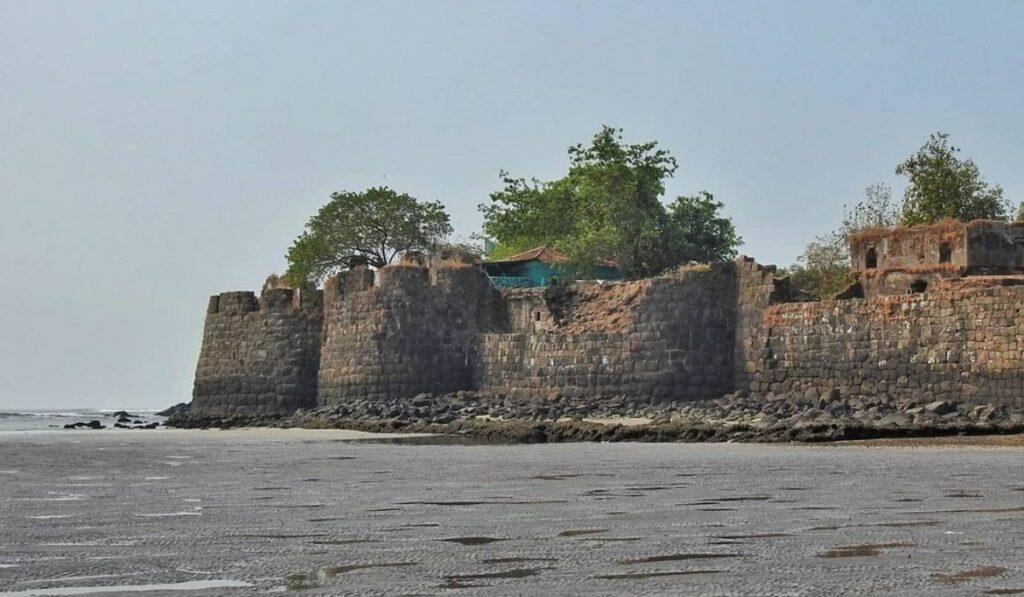
Located just off the coast of Alibaug, Kolaba Fort was built by Shivaji Maharaj in 1680. This sea fort stands about 2 km into the Arabian Sea, and during low tide, it is accessible by foot. It was an important naval base, used for monitoring naval activities and controlling maritime trade routes.
Historical Significance:
Kolaba Fort was one of Shivaji’s last naval fortifications. It served as a watchtower for enemy ships approaching the Konkan coastline.
Key Attractions:
- Temples dedicated to Lord Ganesha and Mahishasura.
- Water reservoirs inside the fort.
- Stunning views of the Alibaug coastline.
How to Reach Kolaba Fort:
- By Air: The nearest airport is Mumbai, around 95 km from Alibaug.
- By Train: Panvel Railway Station is 60 km away.
- By Road: Alibaug is well connected by road from Mumbai and Pune. Ferries operate from Alibaug beach to the fort during low tide.
Best Time to Visit:
The best time to visit is between October and March, when the weather is comfortable, and low tides make the fort accessible on foot.
Where to Stay:
Alibaug is a popular tourist destination with a range of accommodations from luxury resorts to budget-friendly homestays. Beachfront hotels are also plentiful.
Arnala Fort
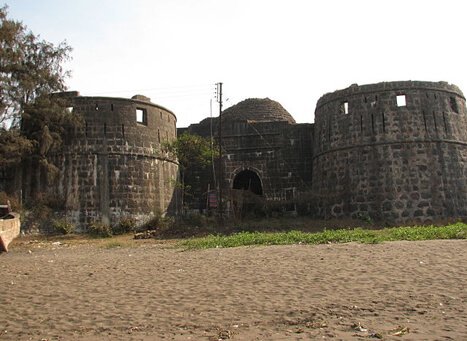
Situated on a small island off the coast of Arnala village near Vasai, Arnala Fort was originally built by the Portuguese in the 16th century and later captured by the Marathas. The fort served as a strategic outpost to control the surrounding coastline and the entrance to the Vasai Creek.
Historical Significance:
Arnala Fort was a key defensive structure, built to safeguard the Vasai region from external naval threats. It was one of the last forts to be captured by the Marathas from Portuguese control.
Key Attractions:
- Massive fortifications offering panoramic views of the Arabian Sea.
- Ancient Portuguese architecture.
- Remnants of the Maratha rule.
How to Reach Arnala Fort:
- By Air: Mumbai is the closest airport, around 75 km away.
- By Train: Virar is the nearest railway station, 10 km away.
- By Road: The fort is easily accessible from Mumbai via the Western Express Highway. From Arnala Beach, a short ferry ride takes you to the fort.
Best Time to Visit:
The ideal time to visit is from October to February when the sea is calm and ferry services are regular.
Where to Stay:
Arnala and Virar have a range of accommodations from guesthouses to mid-range hotels. You can also stay in nearby Vasai, which offers more choices.
Karnala Fort
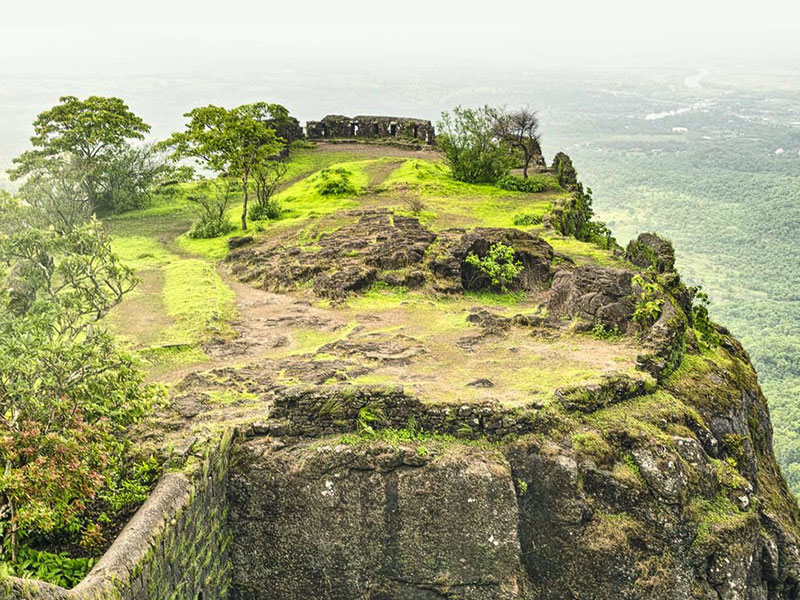
Karnala Fort, also known as Funnel Hill, is located in the Karnala Bird Sanctuary. It offers an adventurous trek through dense forests and provides spectacular views of the Konkan plains. The fort’s history dates back to the 14th century when it was ruled by the Devagiri Yadavas and later captured by the Portuguese and Marathas.
Historical Significance:
Karnala Fort was strategically important due to its proximity to major trade routes passing through the region. Its vantage point made it a crucial observation post.
Key Attractions:
- Scenic trekking trails through the Karnala Bird Sanctuary.
- Historical significance tied to multiple dynasties.
- Breathtaking panoramic views from the top.
How to Reach Karnala Fort:
- By Air: Mumbai Airport is about 85 km away.
- By Train: Panvel Railway Station is 12 km from the fort.
- By Road: Karnala is accessible via the Mumbai-Goa highway (NH-66), making it a popular weekend destination.
Best Time to Visit:
The best time to visit is during the cooler months from November to February for trekking.
Where to Stay:
Panvel offers numerous accommodations, from budget lodges to mid-range hotels. You can also find eco-friendly resorts near the sanctuary.
Jaigad Fort
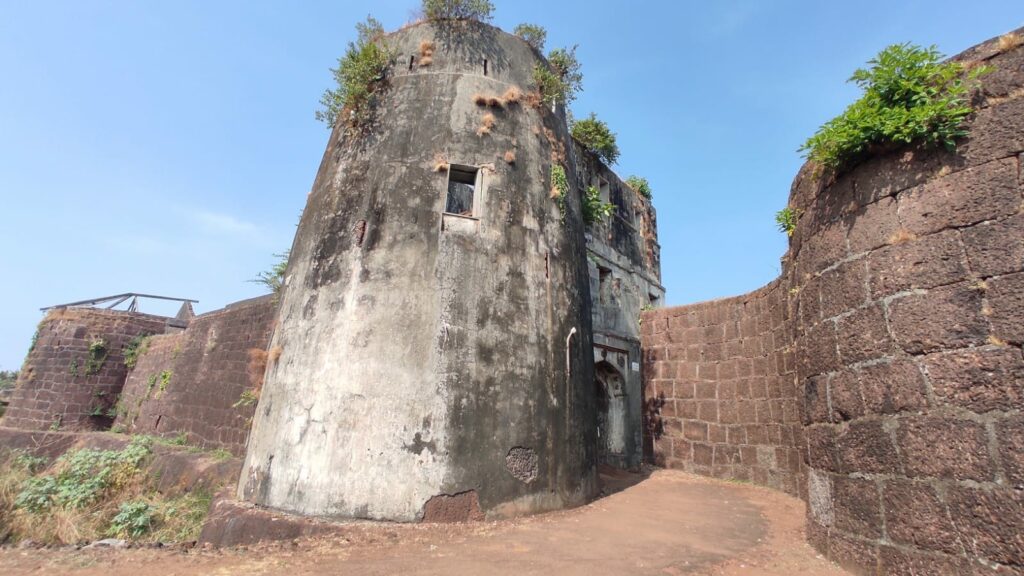
Overlooking the meeting point of the Shastri River and the Arabian Sea, Jaigad Fort is located near Ganpatipule in Ratnagiri district. The fort was built in the 17th century and served as a lookout point and a defensive stronghold. Its strategic position offered control over the port at Jaigad, making it vital for naval defense.
Historical Significance:
Jaigad Fort was part of the Maratha’s coastal defense system, and its location on a cliff provided a natural defense against seaborne invaders.Key Attractions:
- Scenic views of the river and the sea.
- Remnants of ancient Maratha architecture.
- Proximity to the famous Ganpatipule Temple.
How to Reach Jaigad Fort:
- By Air: Ratnagiri Airport is about 55 km away.
- By Train: Ratnagiri Railway Station is 50 km away.
- By Road: The fort is easily accessible from Ratnagiri and Ganpatipule by road.
Best Time to Visit:
The best time to visit is from November to March, when the weather is cool, and you can combine your visit with Ganpatipule Temple.Where to Stay:
Ganpatipule has several hotels, resorts, and MTDC accommodations. Ratnagiri also offers more upscale lodging options for tourists.Frequently Asked Questions (FAQ)
The best time to visit is from October to February, during the winter months. The weather is pleasant, making it easier for sightseeing and trekking. The monsoon season (June to September) can bring lush greenery but also makes travel difficult due to heavy rains.
Yes, most forts are accessible year-round, but the monsoons can make the terrain slippery, and ferry services to island forts may be irregular. It’s best to avoid the monsoon season if you're concerned about safety.
Many forts, such as Karnala Fort and Raigad Fort, are popular trekking destinations. However, island forts like Sindhudurg and Murud-Janjira can only be accessed by boat.
Yes, some forts like Raigad and Sindhudurg offer guided tours. Local guides are often available at the entrance of most forts, offering valuable insights into the historical significance.
Yes, many of the forts are located near towns or popular tourist destinations. For example, Sindhudurg is near Malvan, which has a variety of accommodations, from budget guesthouses to luxury resorts.
These 10 forts of the Konkan region are not only a testament to the architectural genius of the Marathas but also offer a glimpse into the region’s rich history and culture. Whether you’re a history enthusiast, a nature lover, or simply seeking adventure, visiting these forts promises to be a rewarding experience.